


Summary: Choosing a pixie cut is about more than going short—it’s about finding a style that complements your face shape, hair texture, and daily routine. This guide explains how to compare different pixie cut styles, what to consider before your appointment, and how to choose a look that fits your features and lifestyle.
Table of Contents
- Why Choosing the Right Pixie Cut Matters
- Step 1: Understand the Different Types of Pixie Cuts
- Step 2: Match Your Pixie Cut to Your Face Shape
- Step 3: Match Your Pixie Cut to Your Hair Texture
- Step 4: Decide How Much Styling Time You Want
- Step 5: Bring Inspiration Photos to Your Consultation
- Step 6: Trust Your Stylist’s Recommendations
- How to Maintain Your Pixie Cut After Your Appointment
A pixie haircut can be stylish, versatile, and surprisingly customizable, making it a popular choice for women who want a fresh new look. With so many pixie cut styles to choose from, understanding the differences between options like a classic pixie, textured pixie, long pixie, and bixie haircut can help you narrow your choices. Working with an experienced stylist ensures you choose a flattering cut that suits your features, styling preferences, and daily routine.
Why Choosing the Right Pixie Cut Matters

Not every pixie cut is the same. Details like layers, bangs, texture, and tapering create dramatically different looks. The right pixie cut can:
- Highlight your best facial features
- Complement your natural hair texture
- Add volume to fine hair
- Reduce bulk in thick hair
- Make daily styling easier
- Grow out more gracefully between appointments
Choosing a pixie cut may feel bold, so it’s important to find a style that complements your features, suits your hair type, and fits your lifestyle.
Step 1: Understand the Different Types of Pixie Cuts

Before making your decision, become familiar with some of the most popular pixie cut styles:
- Classic Pixie. A timeless style with short sides and back and slightly longer layers on top that flatters many face shapes.
- Textured Pixie. A textured pixie uses layers to create softness, movement, and natural-looking volume.
- Long Pixie. A long pixie keeps more length around the crown and fringe for added styling flexibility.
- Bixie Haircut. A bixie combines a pixie and a bob, offering more length and styling versatility than a traditional pixie.
- Undercut Pixie. This bold variation features closely cropped or shaved sections underneath longer top layers, creating striking contrast and a modern edge.
Step 2: Match Your Pixie Cut to Your Face Shape

Choosing a pixie cut starts with understanding your face shape. While there are no hard rules, these general guidelines can help:
- Oval Face. An oval face is often considered the most versatile shape. Nearly every pixie haircut can be customized to flatter these balanced proportions.
- Round Face. Women with round faces often benefit from added height and longer layers on top, helping create the illusion of length. Side-swept bangs can also add definition.
- Square Face. Soft layers and wispy bangs help balance stronger jawlines while maintaining structure.
- Heart-Shaped Face. Extra fullness near the jawline and a softer fringe can help balance a wider forehead with a narrower chin.
Remember, these are guidelines, not rules. An experienced stylist can adapt almost any pixie haircut to enhance your unique features.
Step 3: Match Your Pixie Cut to Your Hair Texture

Your hair texture plays just as important a role as your face shape.
- Fine Hair. A pixie cut with strategic layers and texture can add lift and movement without removing too much density.
- Thick Hair. Women with thick hair often benefit from internal layering and texturizing techniques that reduce bulk while maintaining shape and softness.
- Curly Hair. A pixie can enhance natural curls when shaped for your curl pattern.
- Straight Hair. Straight hair creates clean, modern lines that highlight precision cutting. Texturizing products can add movement and prevent the style from appearing too flat.
Your stylist will also consider your natural hair density, growth patterns, and cowlicks when recommending the best option.
Step 4: Decide How Much Styling Time You Want
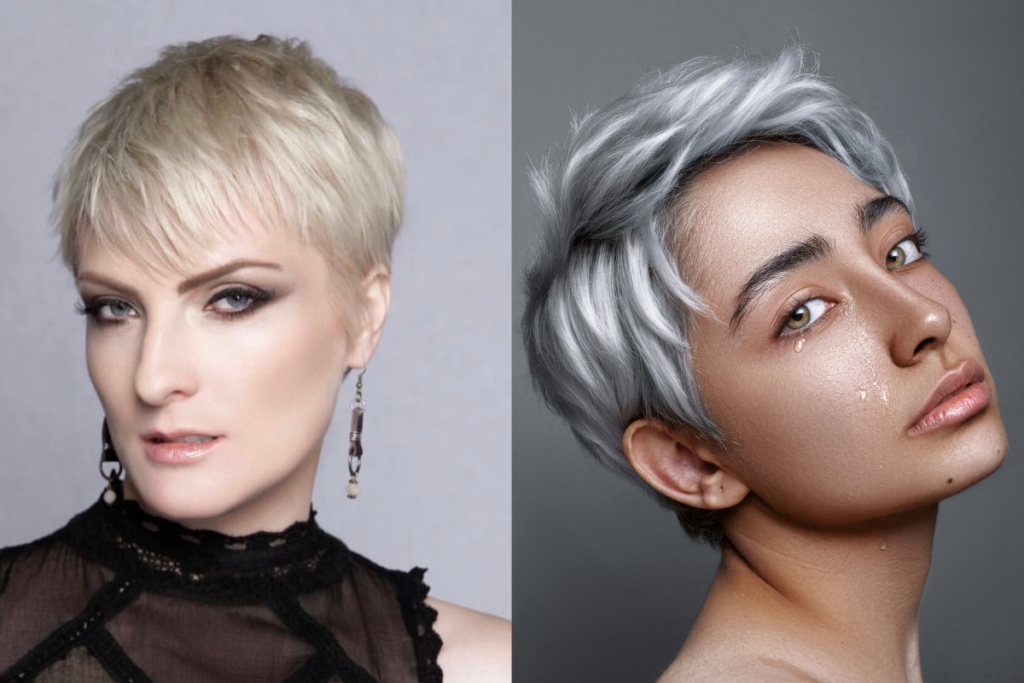
You may assume a pixie cut is a low-maintenance haircut, but that’s not always true. Ask yourself:
- How much time do I want to spend styling each morning?
- Am I comfortable using styling products?
- Will I blow dry my hair regularly?
- How often can I schedule maintenance appointments?
Some styles require only a small amount of texturizing paste or lightweight styling cream, while others may involve blow-drying and shaping each day. Choose a pixie cut that fits your routine, so it’s easy to maintain between appointments.
Step 5: Bring Inspiration Photos to Your Consultation

Photos are one of the best communication tools during your consultation. Look for inspiration that features people with:
- A similar face shape
- Similar hair texture
- Similar hair density
- Similar styling preferences
Bring three to five inspiration photos instead of relying on a single image. Showing different features you like (such as the fringe, texture, or layers) helps your stylist create a look that’s customized for you.
Step 6: Trust Your Stylist’s Recommendations

Inspiration photos are helpful, but they don’t account for your hair texture, growth patterns, or styling routine. A professional consultation considers factors that photos can’t show, including:
- Hair growth patterns
- Hair density
- Lifestyle
- Styling habits
- Maintenance expectations
- Face shape
- Hair texture
Your stylist may recommend small adjustments that make a significant difference in how your pixie haircut looks and grows out over time. Keeping an open mind often leads to a result that’s even better than the inspiration photo.
How to Maintain Your Pixie Cut After Your Appointment
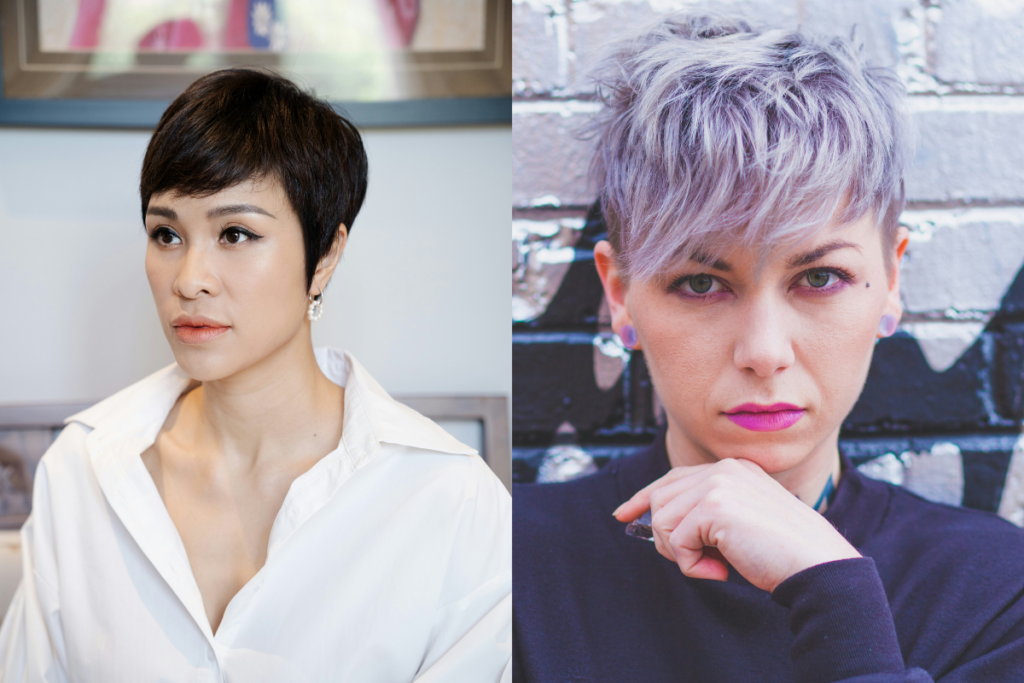
Regular maintenance keeps your pixie cut looking its best. To keep your style looking fresh:
- Schedule trims every 4 to 6 weeks to maintain the shape.
- Use professional styling products recommended by your stylist.
- Apply a lightweight texturizing product for added definition and movement.
- Protect your hair from heat when blow-drying.
- Ask your stylist how to refresh your style between appointments.
If you eventually decide to grow out your pixie, regular shaping trims make the transition easier.
The right pixie cut should feel like an extension of your personal style while working with your natural features and everyday routine. Taking the time to consider your face shape, hair texture, and styling preferences—and partnering with an experienced stylist—can help you choose a cut you’ll enjoy long after you leave the salon. Whether you’re ready for a dramatic transformation or a subtle change, the right pixie cut can give you a fresh look and lasting confidence.


